
Coils built to move heat
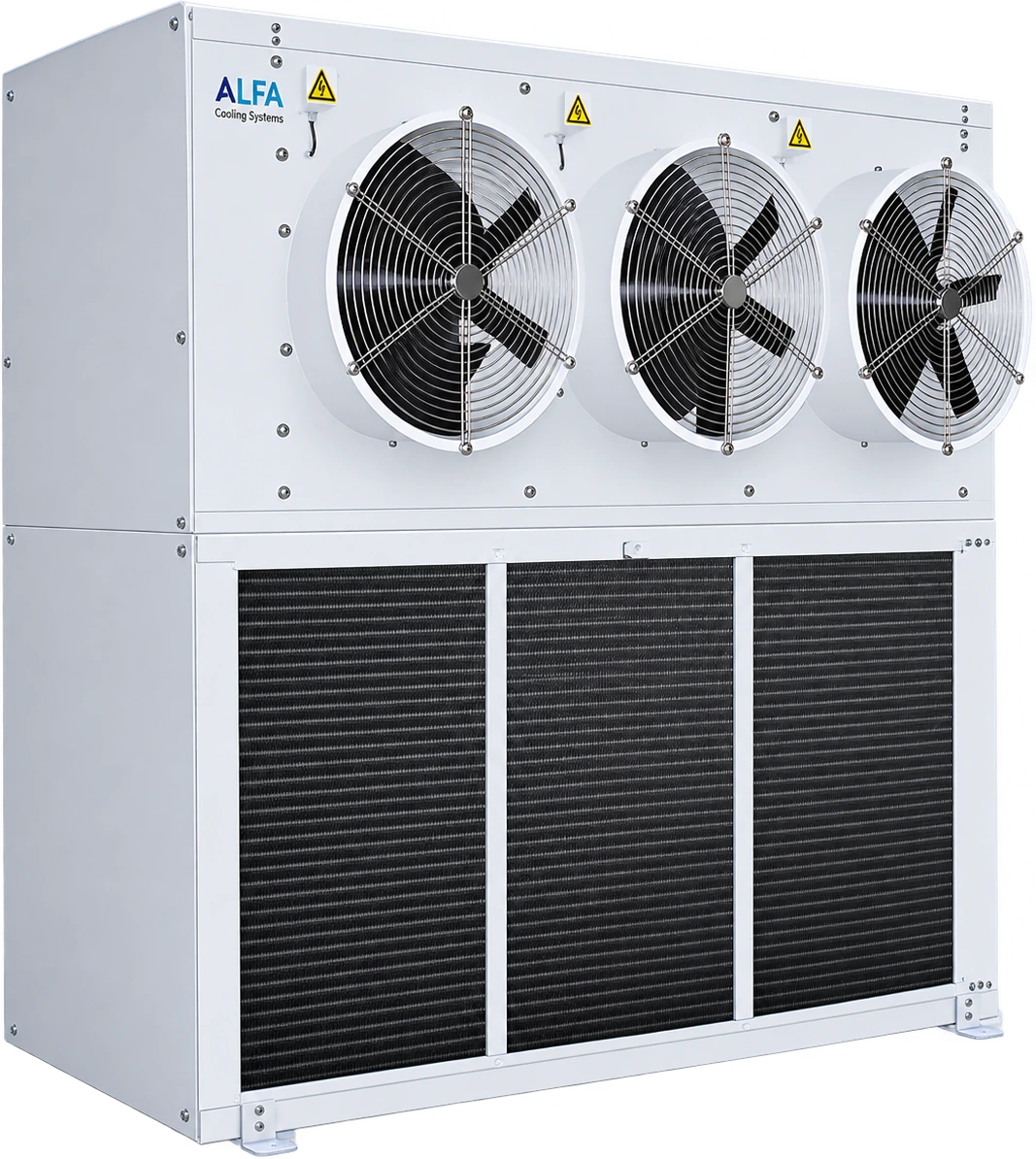
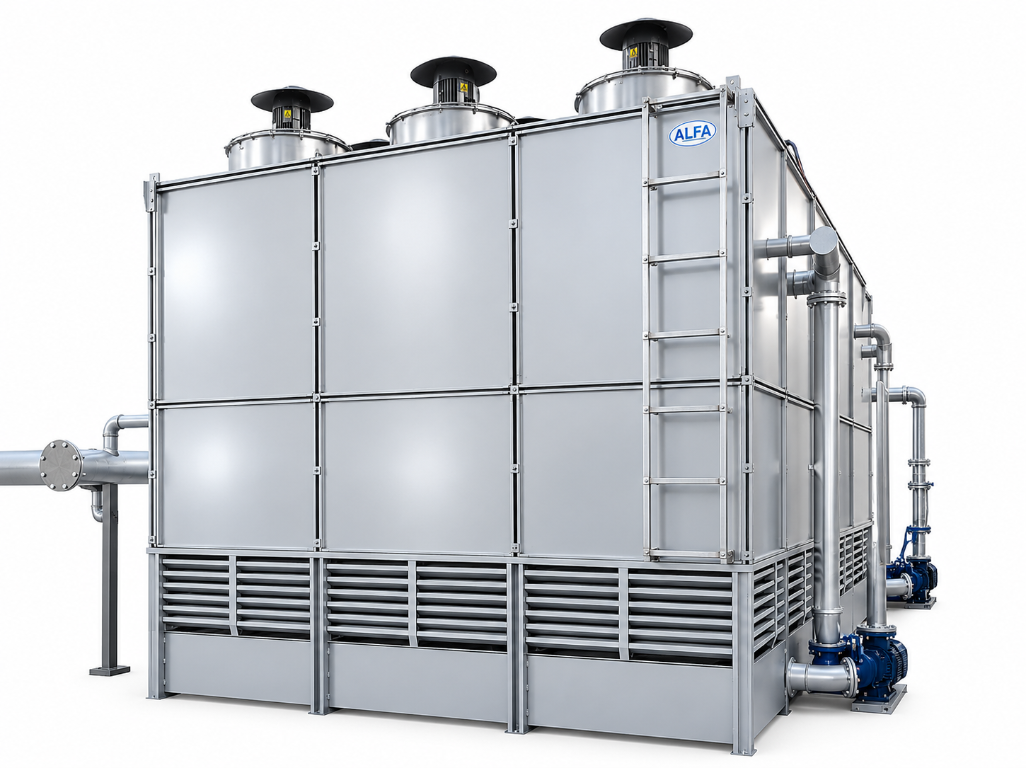
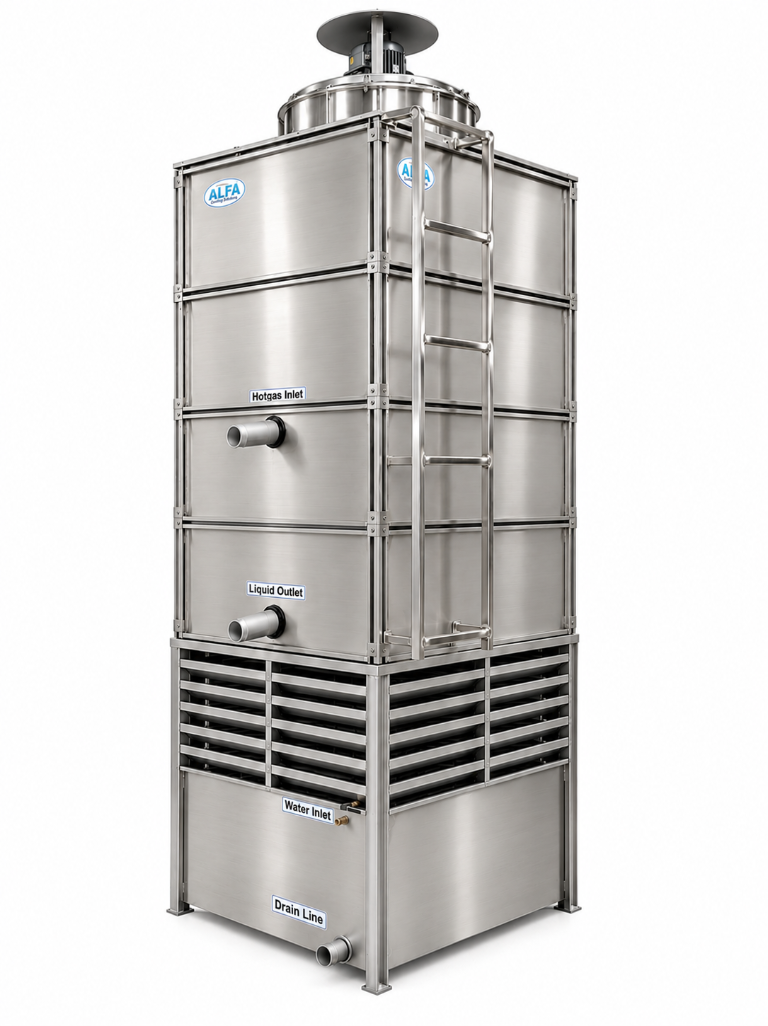
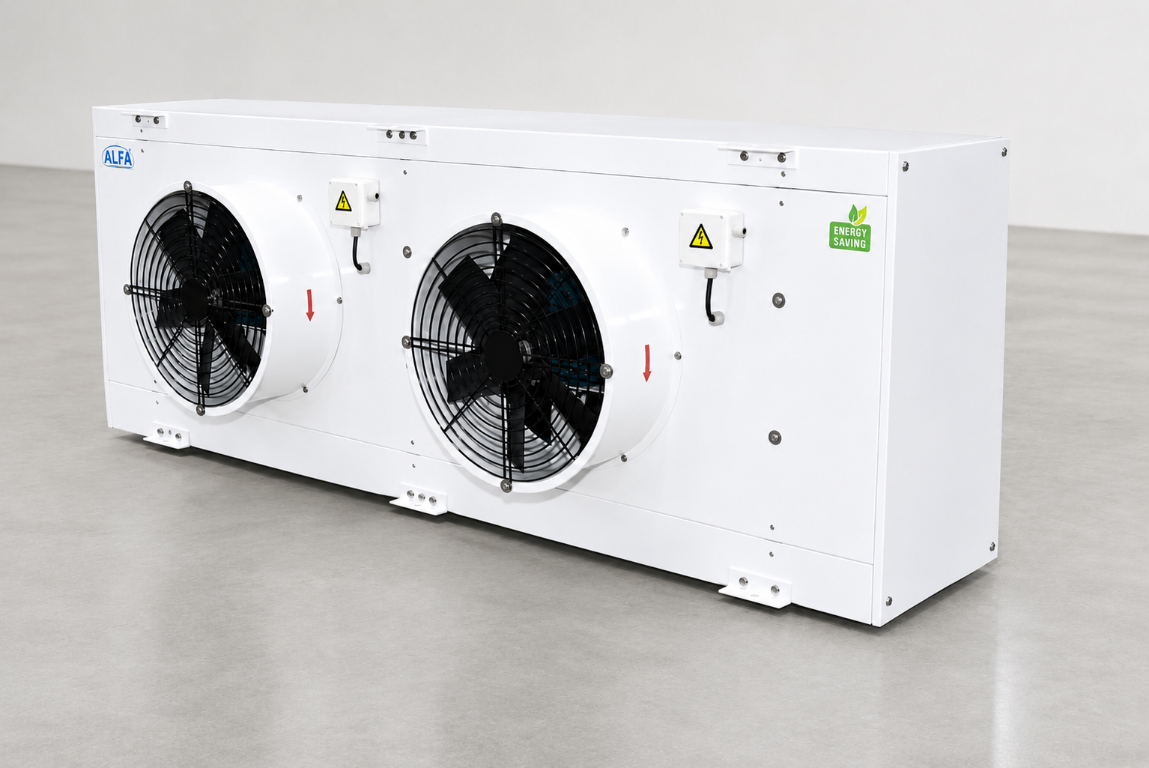
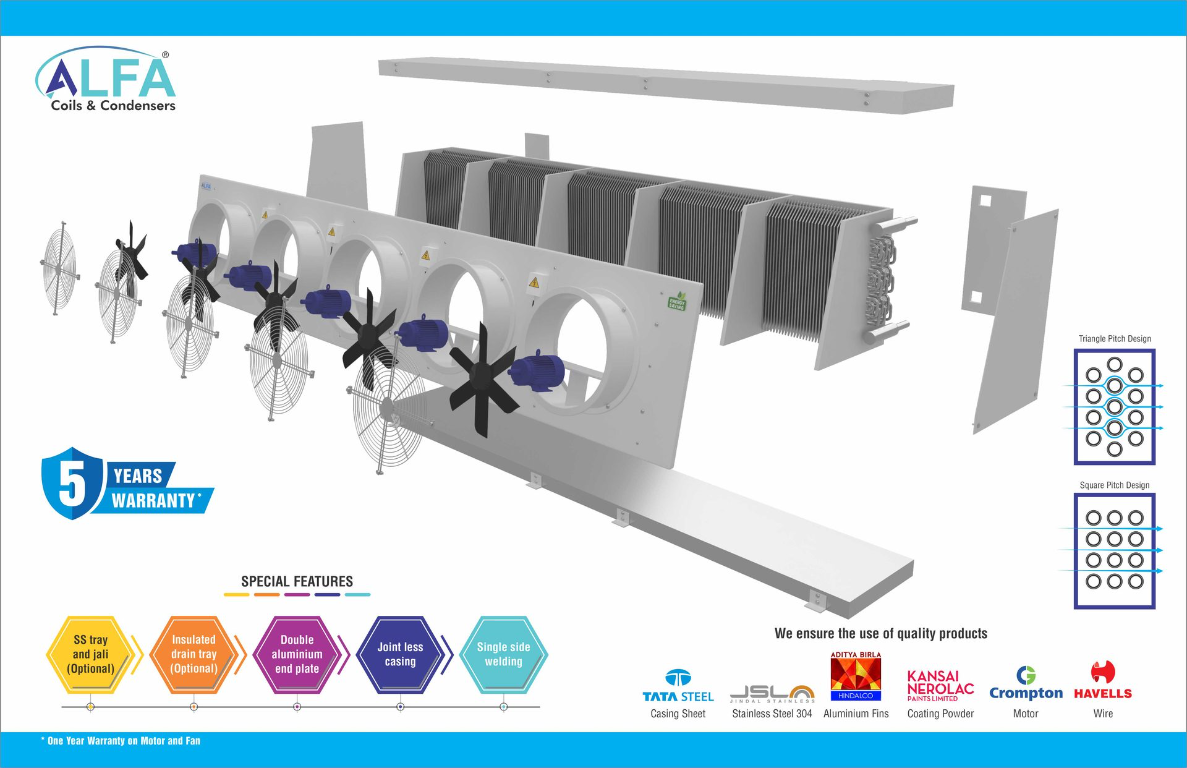
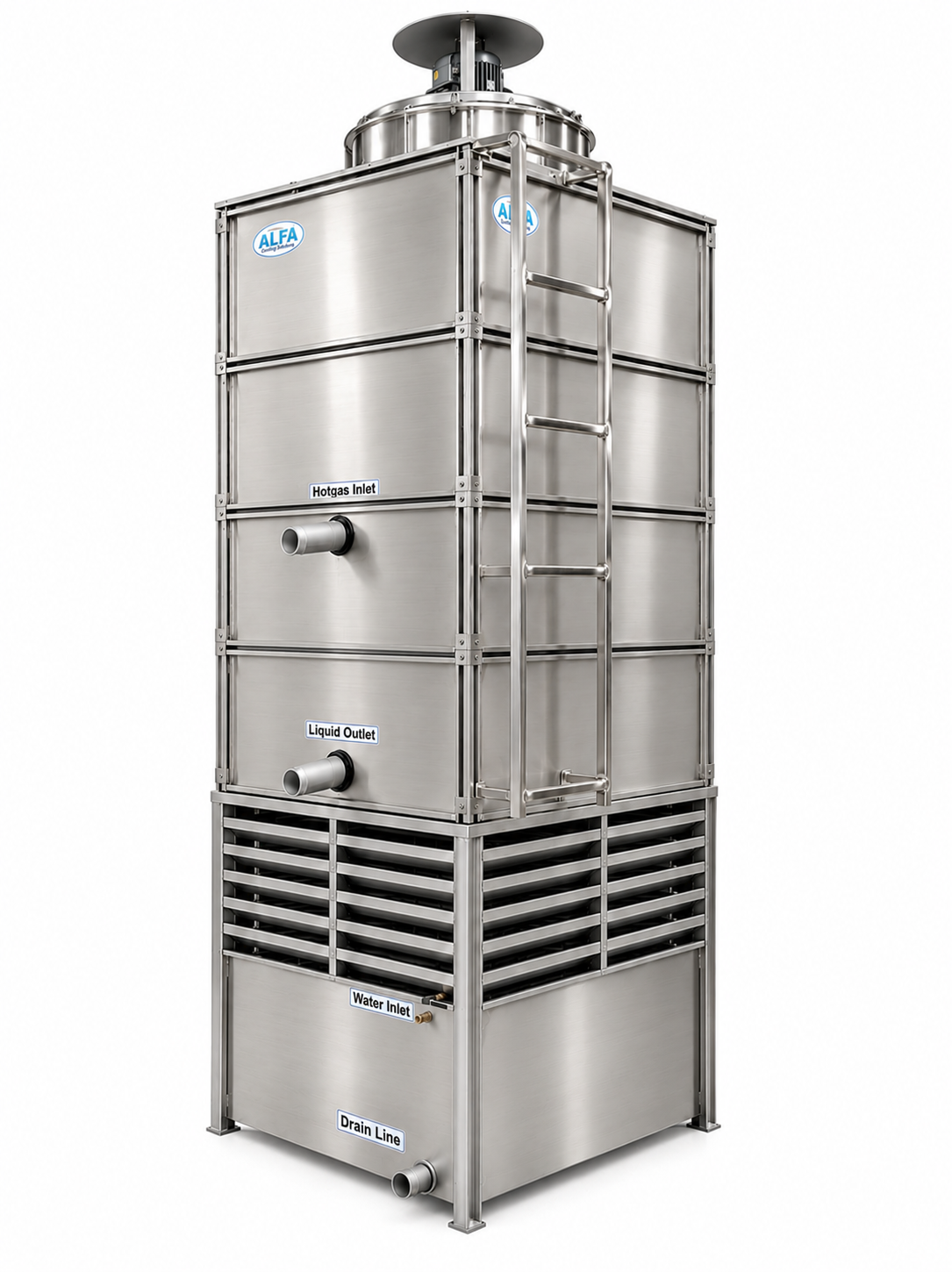
Air cooling units, evaporators, evaporative condensers, closed-loop cooling towers and chilled water coils.
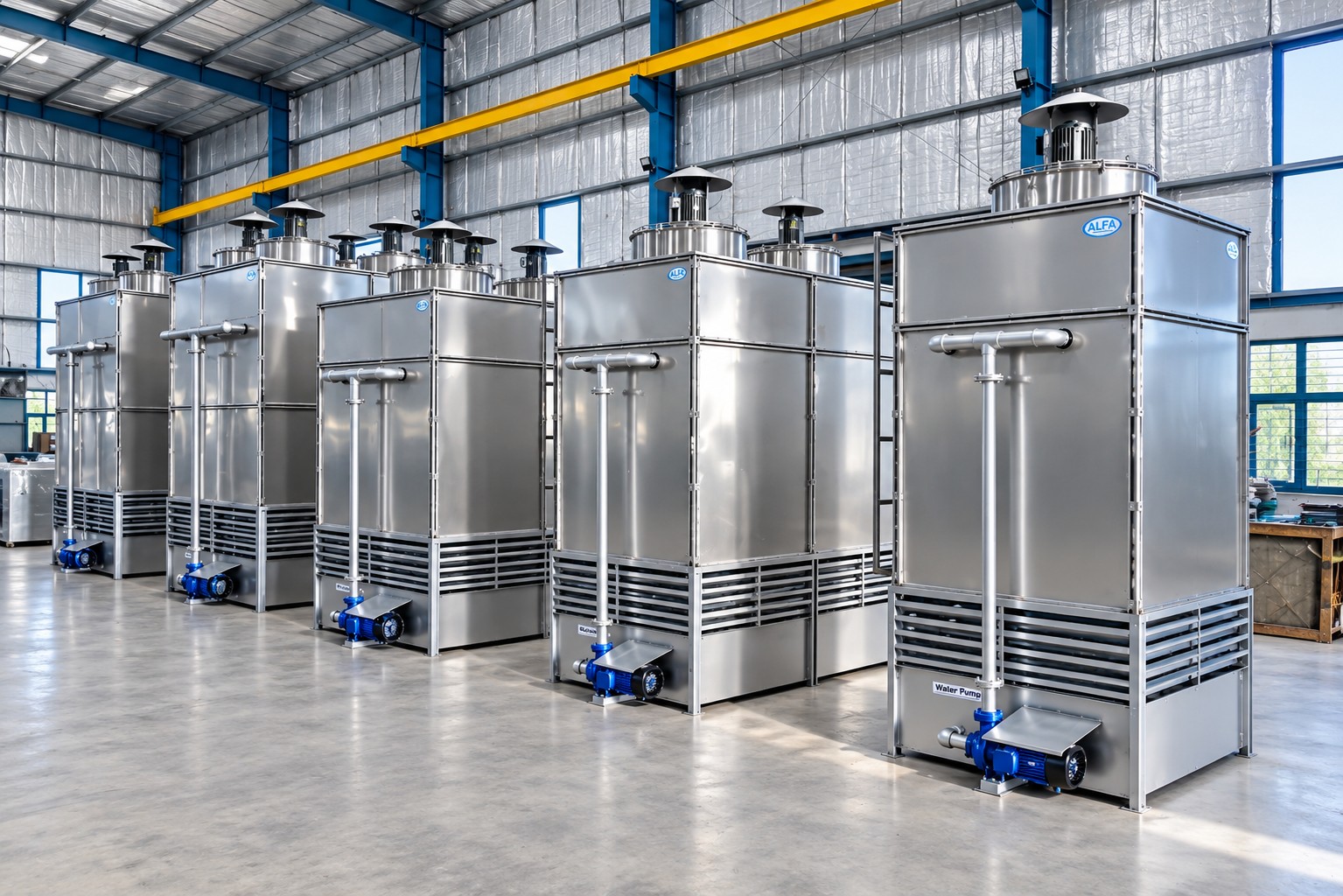
Our range
Authenticity and Reliability of our products
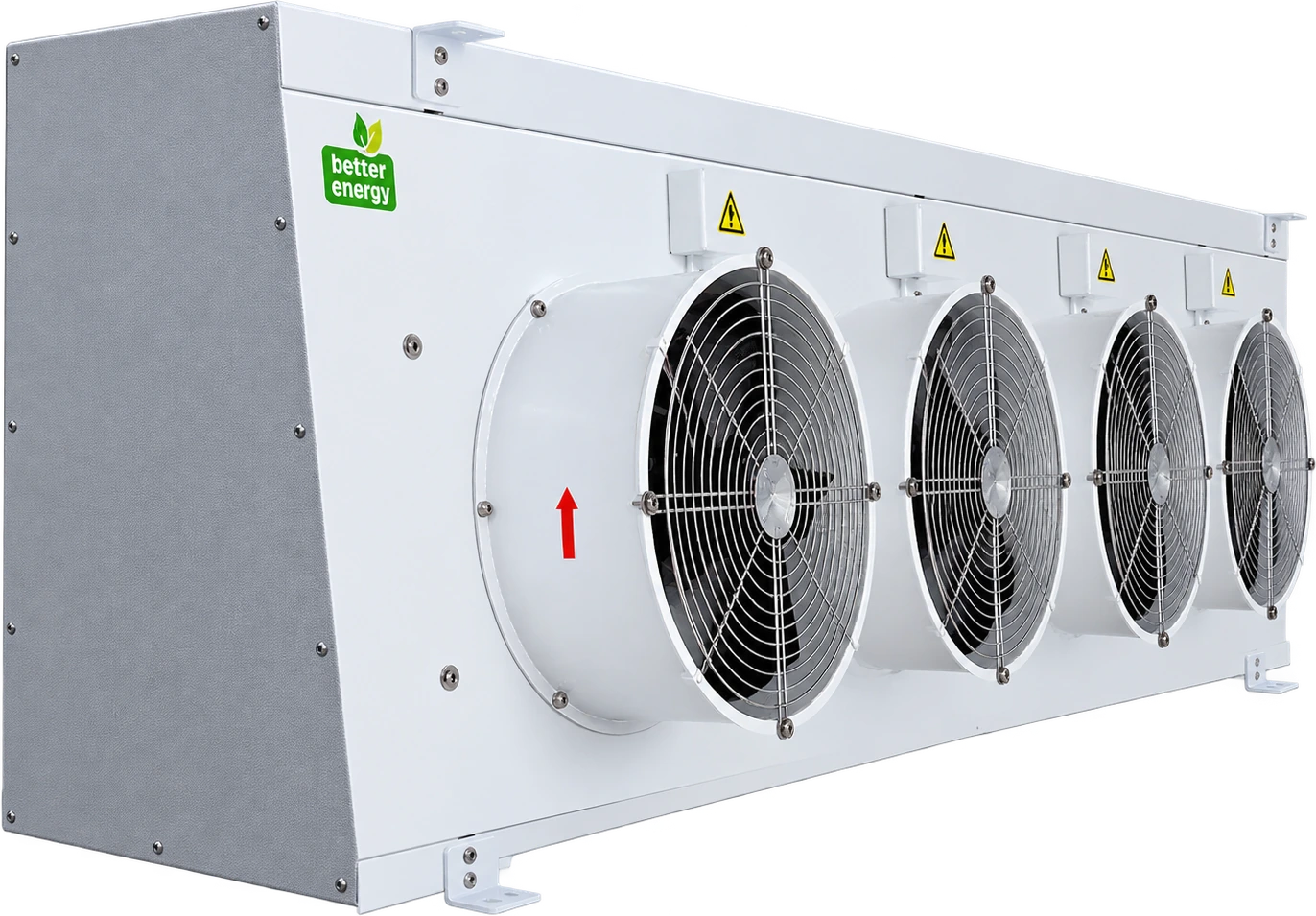
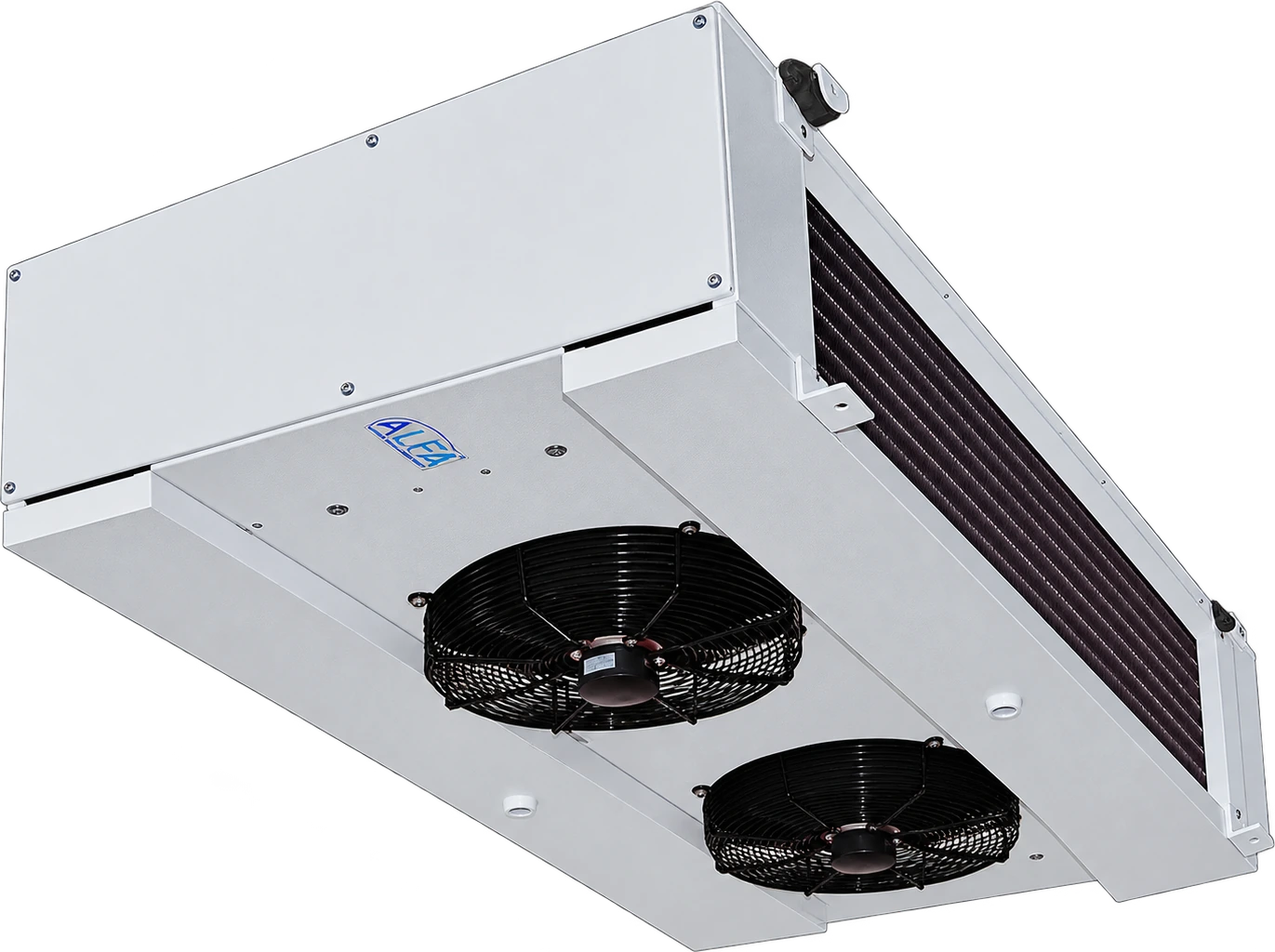
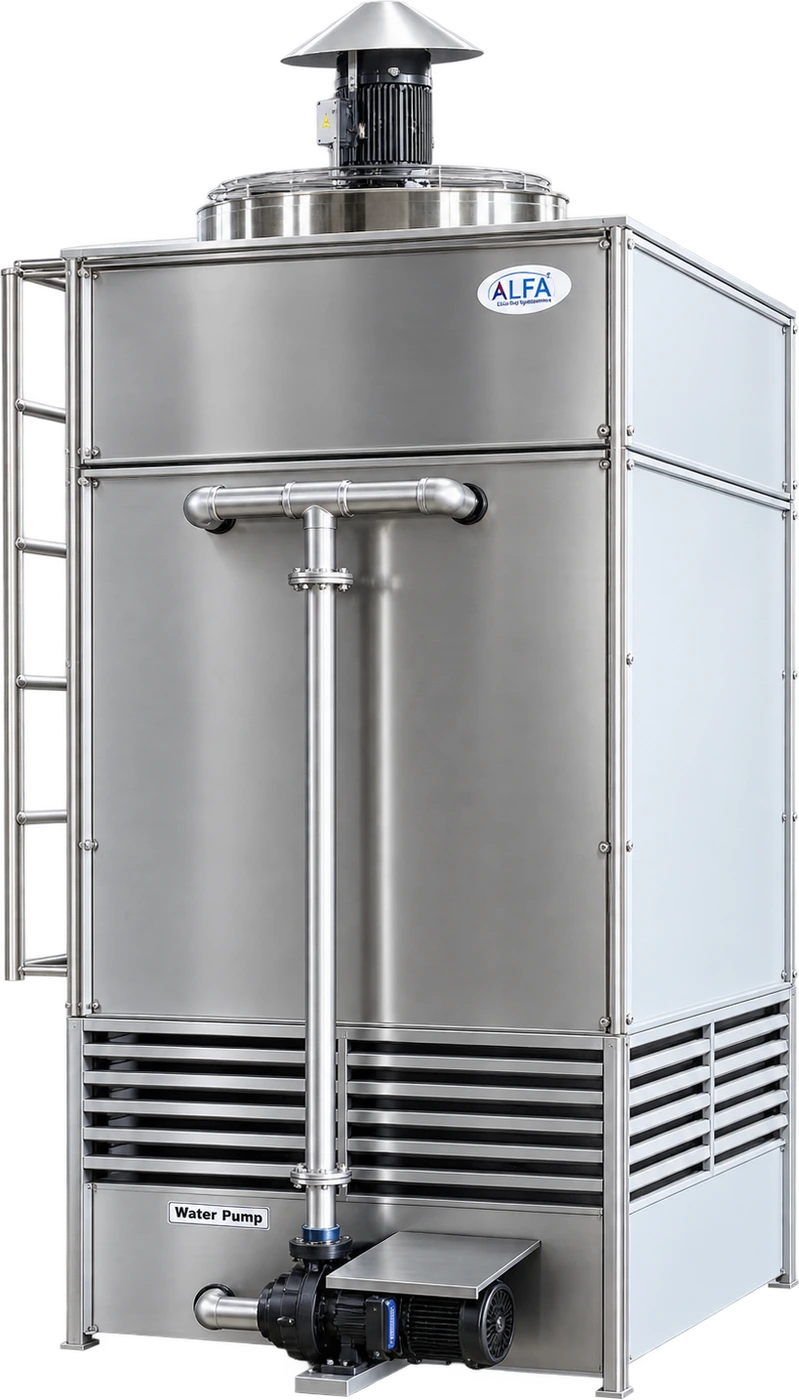
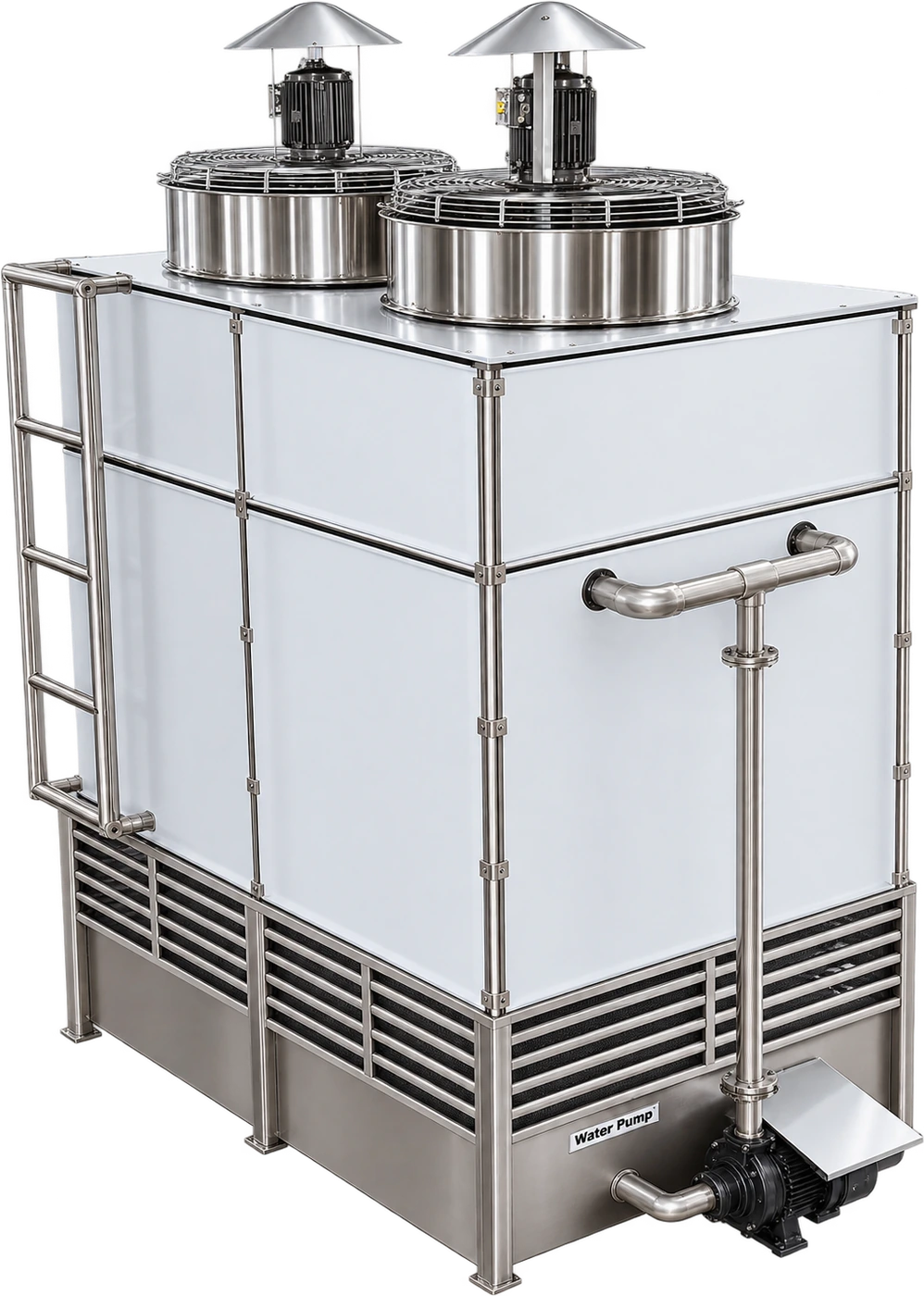
Installation
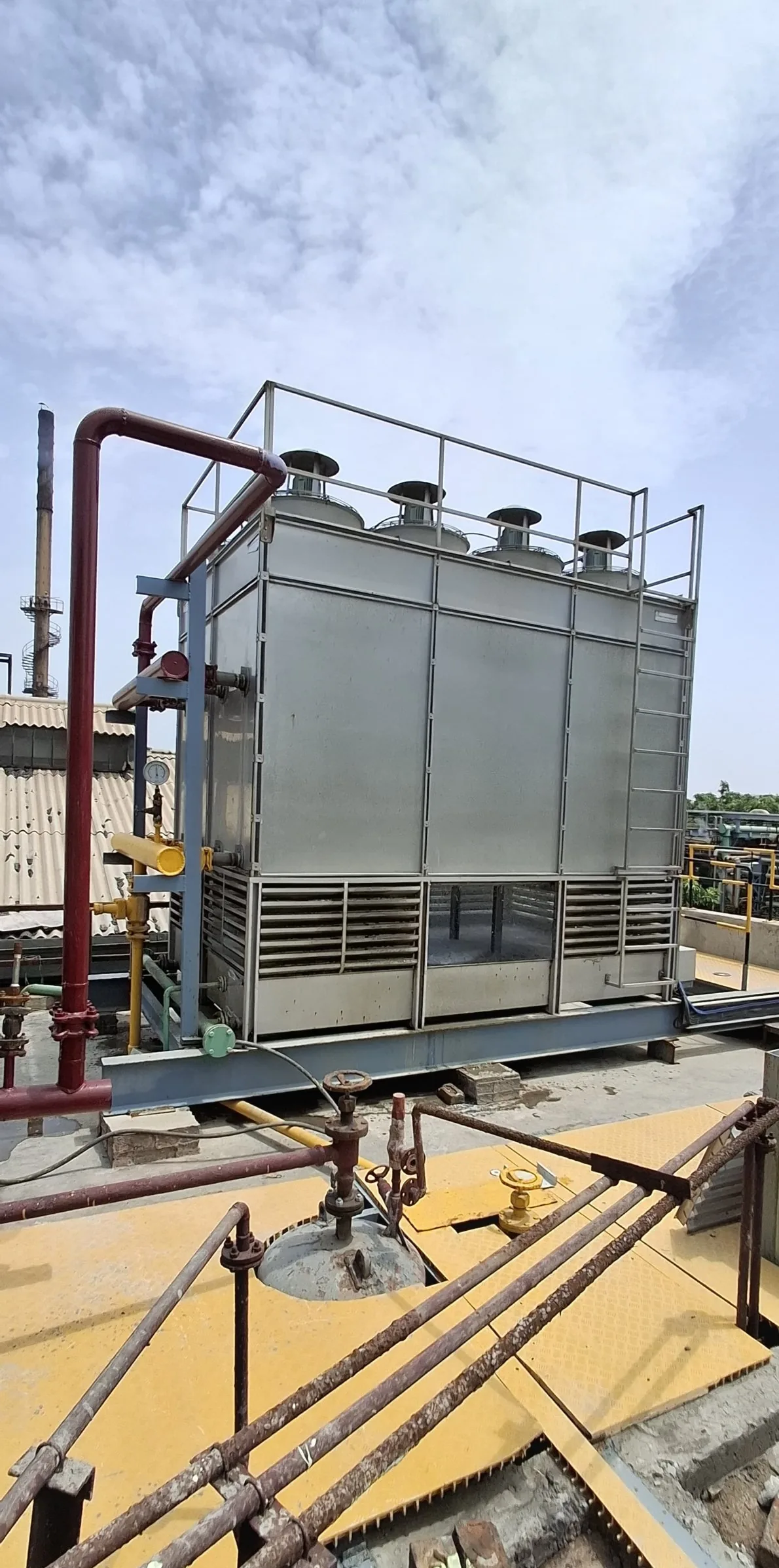
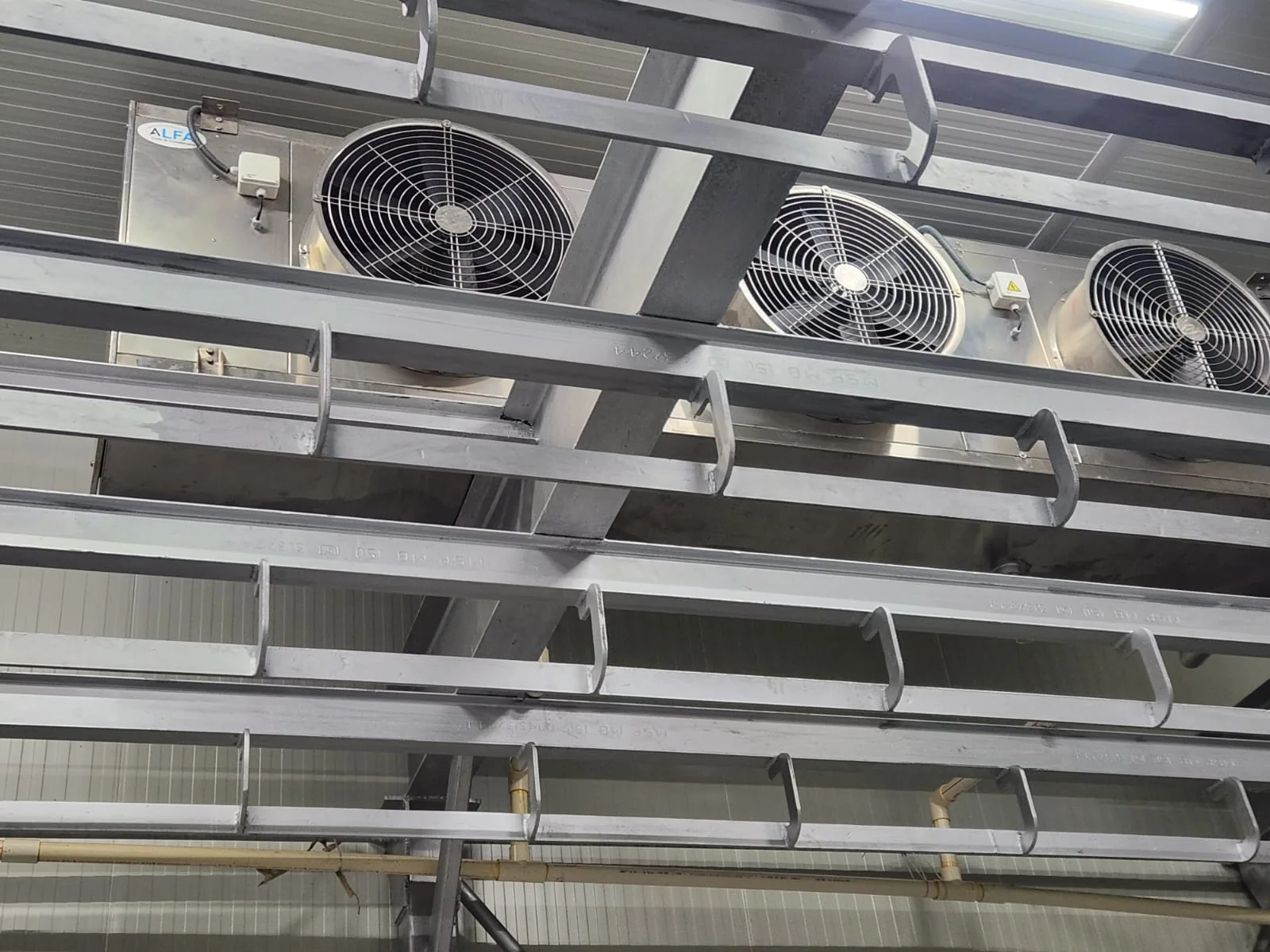
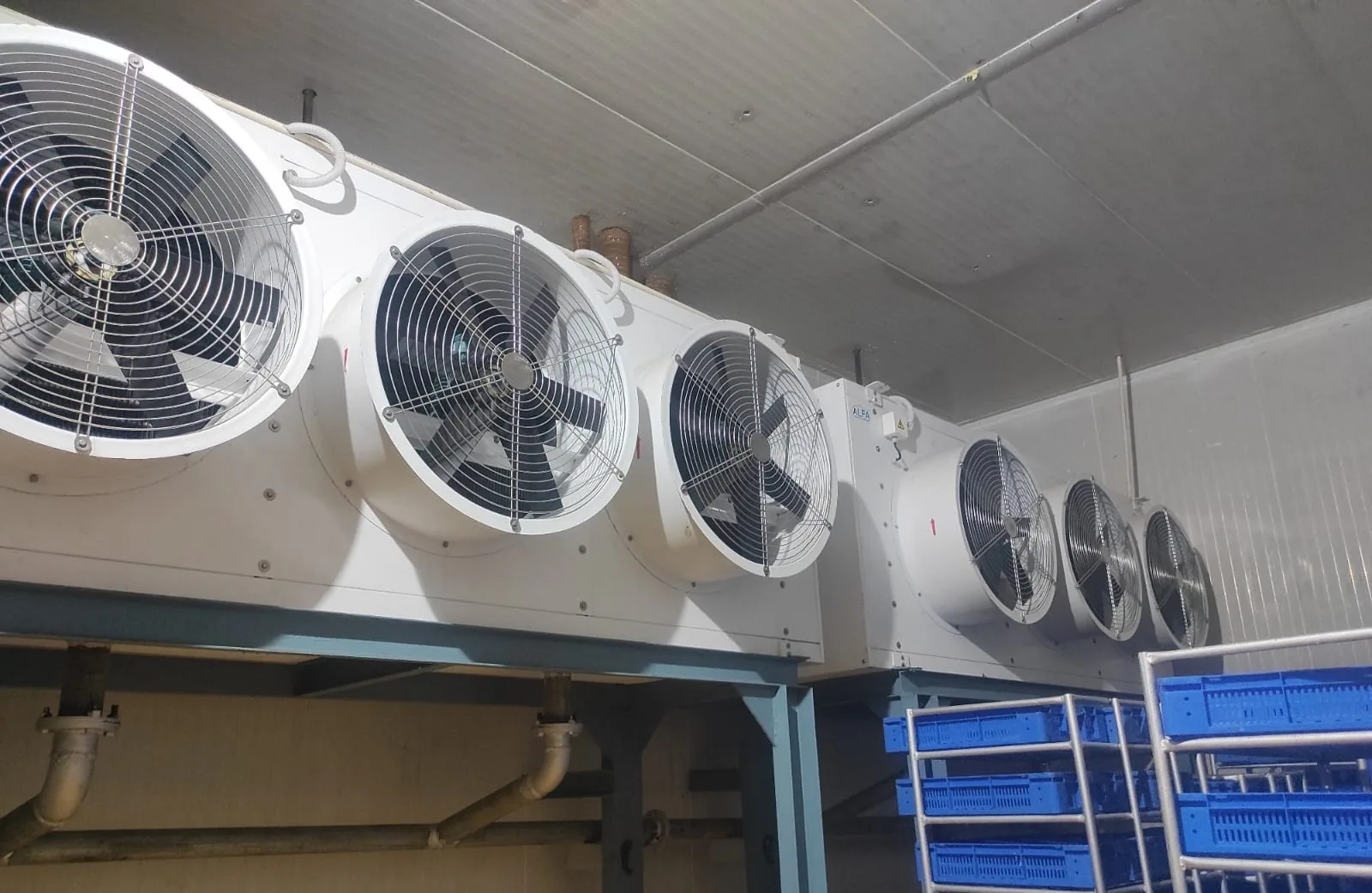
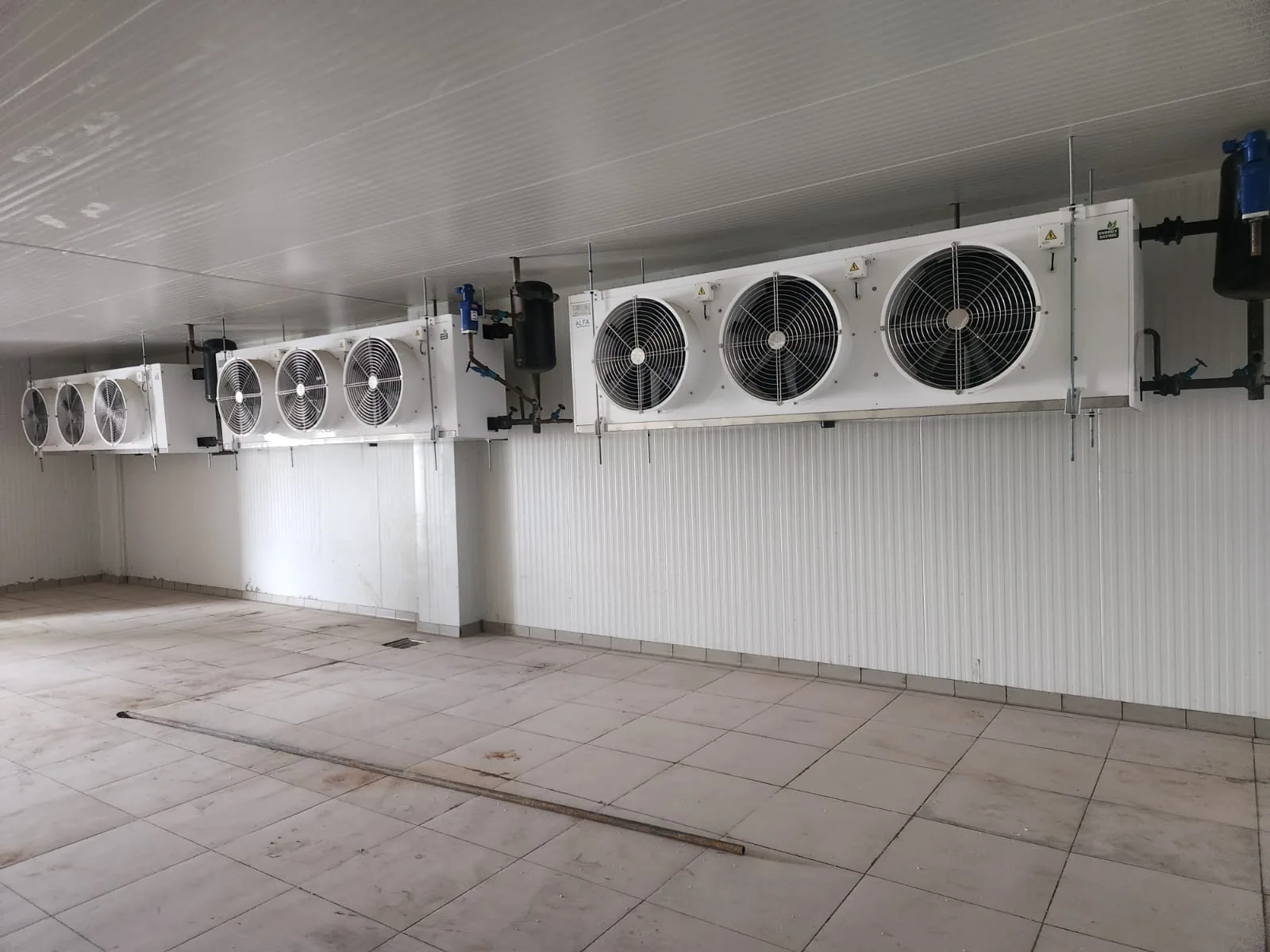
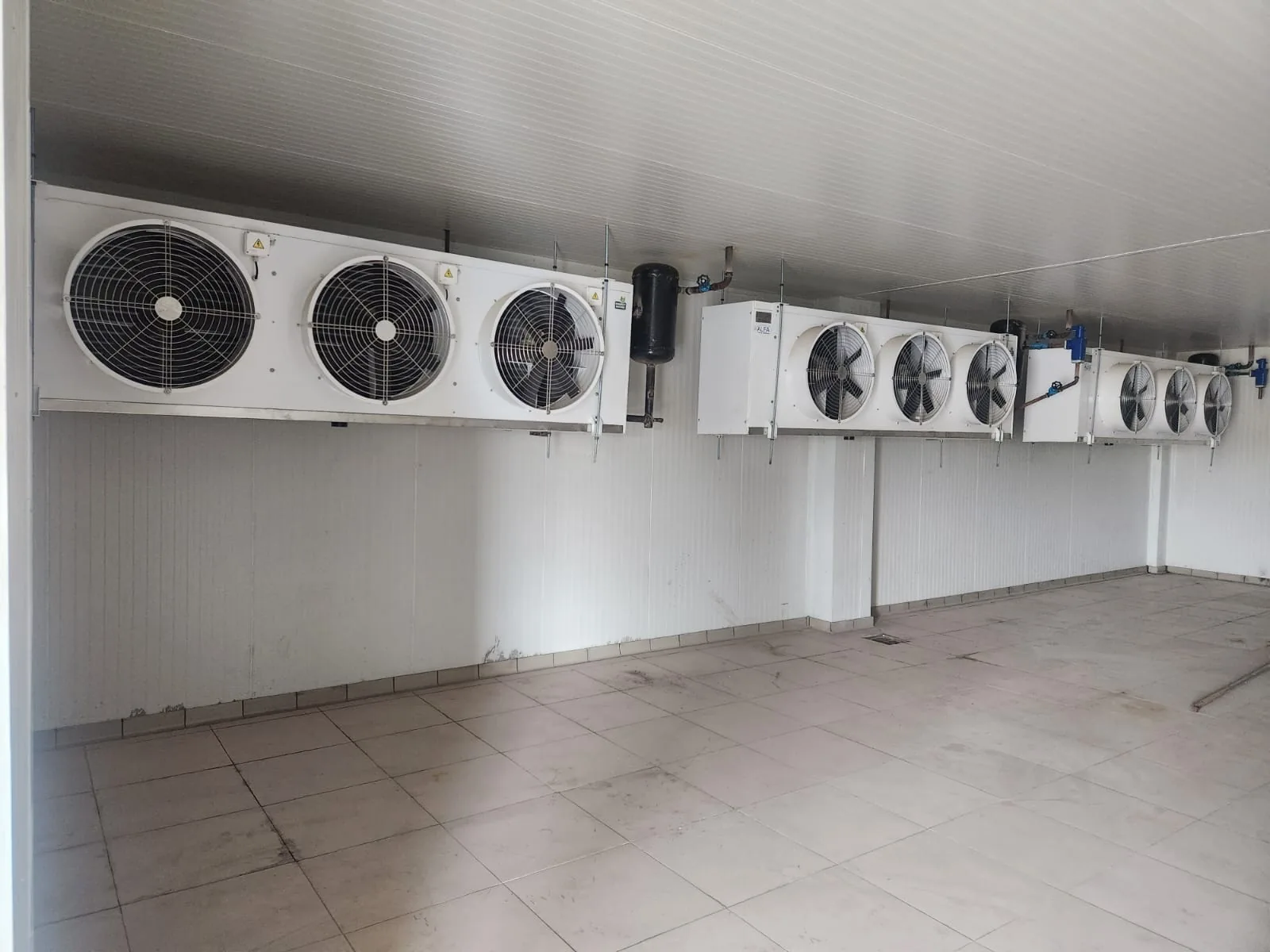
Installed and running at site
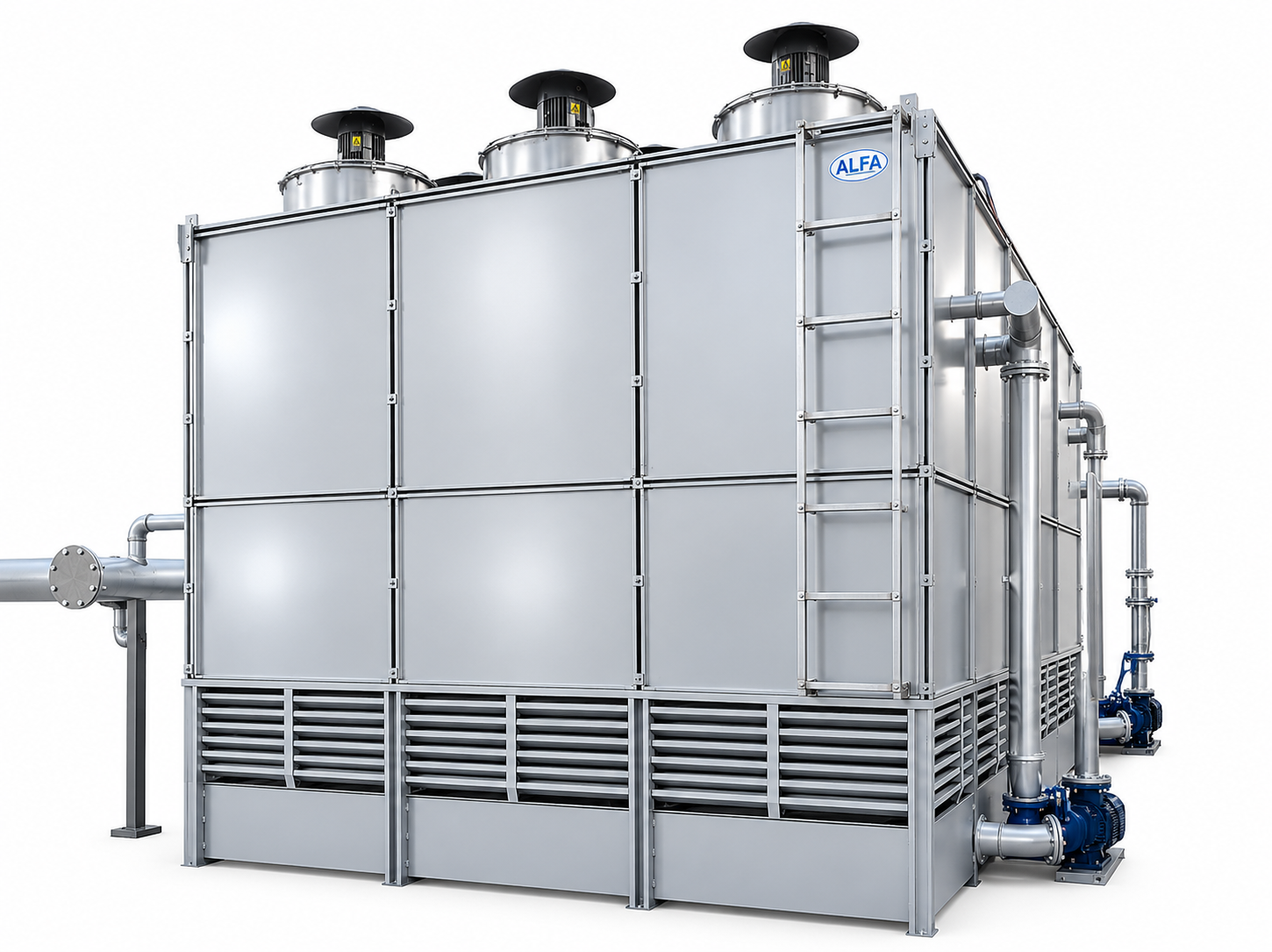
Cooling towers and air coolers from ALFA, running at plant and cold-room sites.
Contact us
Send your coil spec
A drawing, a photo or a list of sizes is enough to start.
- Call+91 98104 84171 · +91 93122 46708
- Email[email protected]
- Webwww.alfacoils.com
Technology
What a coil is made of
Thin aluminium fins give the air a large surface to touch. Copper tubes carry the refrigerant through them. Return bends turn the flow around at the ends.
Tube to test bench
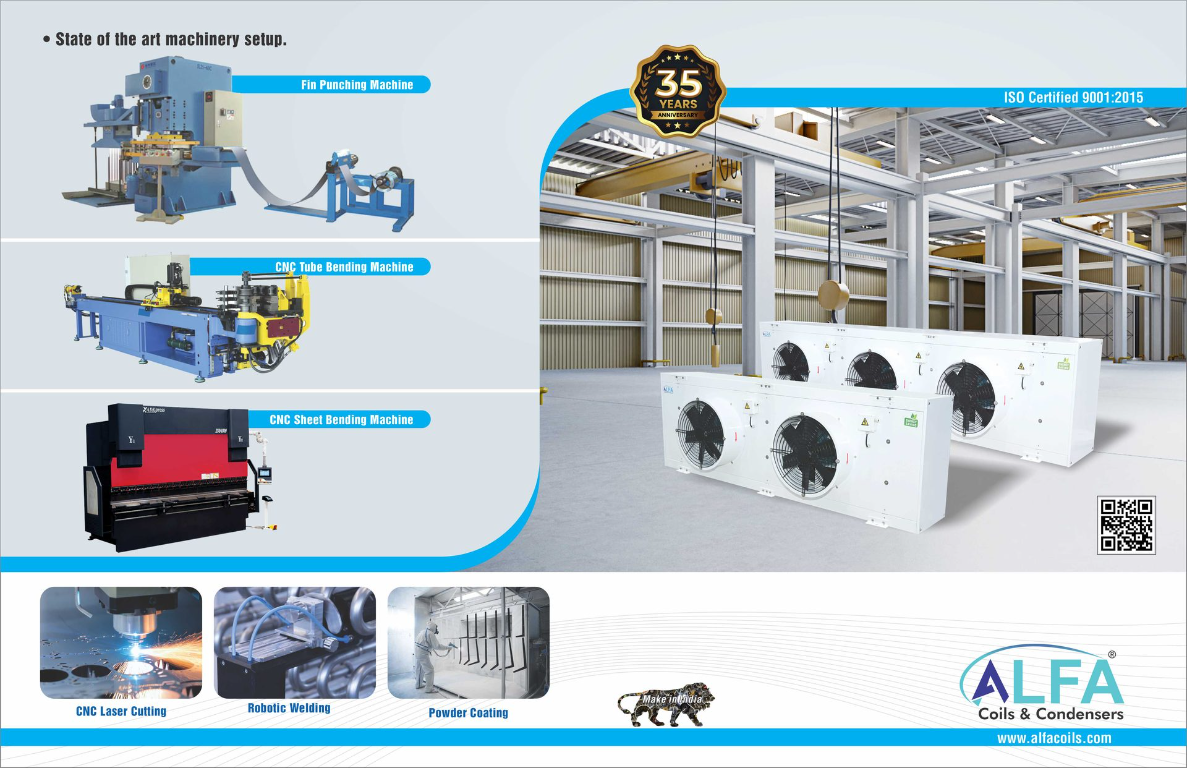
Typical build route
Cut and form the tube
Copper tube is cut to length and bent into hairpins.
Press the fins
Aluminium sheet is stamped into collared fins at the pitch you specify.
Stack and expand
Hairpins are pushed through the fin pack, then expanded to lock tube to fin.
Braze the circuit
Return bends and headers join the tubes into the refrigerant circuit.
Test and pack
The coil is pressure tested for leaks, then packed for transport.
- Aluminium finsLight, easy to form and good at spreading heat into the air.
- Copper tubesCarry the refrigerant and pass heat to the fins.
- Return bendsTurn the flow around at the ends so the circuit continues.
- Headers and connectionsGather the circuits and meet your equipment pipework.
Fin pitch guide
| Pitch | Best for | Trade-off |
|---|---|---|
| 8 to 9 FPI | Dusty air, cold rooms, frosting duty | Less surface in the same face area |
| 10 to 14 FPI | General air conditioning and refrigeration | A balance of capacity and cleaning |
| 15 to 18 FPI | Clean air, tight spaces | Clogs sooner and needs regular cleaning |
Common questions
How do I choose a fin pitch?
Wider pitch suits dusty air and cold rooms where frost forms. Tighter pitch packs more surface into the same face area and suits clean air.
Do you make a single piece or only batches?
Both. Prototype pieces and batch runs are possible, and replacement coils for equipment in service are a regular job.
How are coils tested before dispatch?
Each coil is pressure tested for leaks and checked against the drawing before it is packed.
Next step
Have a drawing?
Send it over and we check it against how we build.
Industries
Where our coils run
Every site asks something different of a coil. Here is what we look at first.
 Pharmaceuticals
 Food Processing
 Cold Storage
 Dairy Industry
 Process Cooling
 Frozen Vegetables
 Ice Cream
 Plastic Moulding
| Application | Typical coil | What decides the design |
|---|---|---|
| Air conditioning | Evaporator, condenser | Face area, rows and airflow of the unit |
| Cold rooms | Evaporator | Room temperature and fin pitch, so frost does not block the air |
| Commercial refrigeration | Condenser | Compact size and heat rejection in warm, dusty air |
| Process cooling | Custom exchanger | Duty, tube size and the fluid being cooled |
| Equipment makers | Batch supply | Repeatable dimensions and steady delivery |
| Service and repair | Replacement coil | Matching the old coil's size and connections |
Air conditioning
Coils for split units, packaged units and air handlers.
- Match face size and rows
- Clean air, tighter pitch
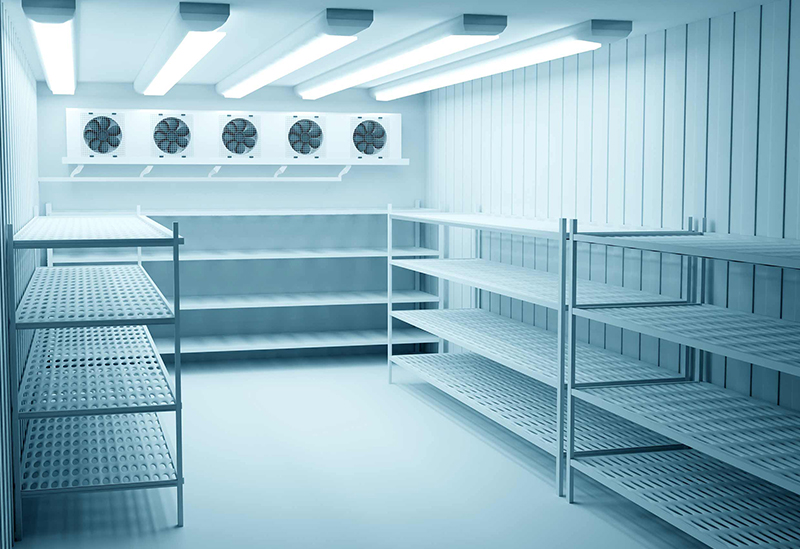
Cold rooms
Evaporators that keep air moving through frost and cold.
- Wider pitch
- Room for defrost
Commercial refrigeration
Compact condensers for counters, display cabinets and chillers.
- Small footprint
- Warm, dusty air
Process cooling
Custom exchangers sized to the fluid and the duty.
- Special tube sizes
- Made to drawing
Equipment makers
Repeatable coils for batch production lines.
- Same dimensions each time
- Steady delivery
Repair and replacement
Matching coils for equipment already in service.
- Match connections
- Quick turnaround
How we match a coil to a site
- Look at the airDusty, humid, clean or cold? This decides fin pitch.
- Check the spaceFace size and depth must fit the cabinet or duct.
- Set the circuitRows, tube size and circuiting follow the duty.
- Match the connectionsPipe positions line up with your equipment.
Common questions
Can you copy an existing coil?
Yes. Send the old coil or its measurements and we work out the geometry, then quote against it.
How do I choose a fin pitch?
Wider pitch suits dusty air and cold rooms where frost forms. Tighter pitch packs more surface into the same face area and suits clean air.
Do you make a single piece or only batches?
Both. Prototype pieces and batch runs are possible, and replacement coils for equipment in service are a regular job.
Next step
Tell us where it runs
We choose the coil for the site, not just the size.
Quality
From tube to dispatch
A coil that leaks is a coil that comes back. Each unit passes these checks before it leaves the workshop.
- Dimensions against drawingFace size, tube length and connection points are measured against the order.
- Joints inspectedBrazed joints and return bends are checked before testing.
- Pressure testedThe circuit is tested for leaks.
- Packed for transportFins are protected so the coil arrives straight and clean.
Test stages
- Incoming materialTube and fin stock are checked before work starts.
- In processFin pitch and tube length are checked while the coil is built.
- BrazingEvery joint is looked over for gaps and flux.
- Pressure testThe circuit is pressurised and watched for leaks.
- Final checkSize and connections are measured against the drawing.
Dimension record
A measured size sheet for your batch.
- Face size and depth
- Connection positions
Test record
Confirmation that each coil passed the leak test.
- Per coil or per batch
Protected fins
Edge guards and cartons that keep fins straight.
- Safe for transport
Common questions
Do you make a single piece or only batches?
Both. Prototype pieces and batch runs are possible, and replacement coils for equipment in service are a regular job.
How are coils tested before dispatch?
Each coil is pressure tested for leaks and checked against the drawing before it is packed.
Where is the workshop?
The Google Maps location and hours are on the Contact page.
Next step
Want to see the process?
Visit the workshop using our Google Maps location or ask us for photos.
Contact
Send us your coil spec
A drawing, a photo of the old coil or a list of sizes is enough to start a quote.
- Hours
- Open until 6:30 pm
- [email protected]
What happens next
- We read your enquiryUsually the same working day.
- We ask what is missingSizes, refrigerant or a photo of the old coil.
- You get a quoteWith a specification you can check.
- We build and testThen pack and dispatch.
Common questions
What should I send for a quote?
A drawing, a sample coil or a clear photo with sizes. Face size, tube diameter, number of rows, fin pitch, refrigerant and quantity help us quote faster.
Can you copy an existing coil?
Yes. Send the old coil or its measurements and we work out the geometry, then quote against it.
How do I choose a fin pitch?
Wider pitch suits dusty air and cold rooms where frost forms. Tighter pitch packs more surface into the same face area and suits clean air.
Do you make a single piece or only batches?
Both. Prototype pieces and batch runs are possible, and replacement coils for equipment in service are a regular job.
How are coils tested before dispatch?
Each coil is pressure tested for leaks and checked against the drawing before it is packed.
Where is the workshop?
The address and hours are on the Contact page.